Top crm software for small business: Top 10 CRM Software for Small Business: Ultimate Power Guide

Finding the right CRM can transform your small business. Discover the top CRM software for small business that boosts sales, streamlines communication, and drives growth—all in one powerful system.



Why the Top CRM Software for Small Business Matters

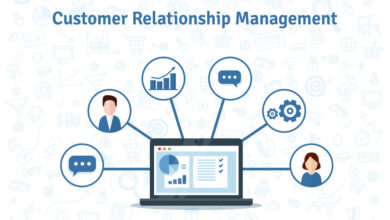
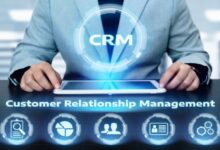
Customer Relationship Management (CRM) tools are no longer exclusive to large enterprises. Today, the top CRM software for small business empowers startups and SMEs to compete on equal footing. These platforms centralize customer data, automate workflows, and enhance customer engagement—all critical for sustainable growth.
Boosting Sales Efficiency
One of the primary reasons small businesses adopt CRM systems is to improve sales efficiency. A good CRM tracks every interaction with leads and customers, ensuring no opportunity slips through the cracks. By automating follow-ups and organizing pipelines, sales teams can focus on closing deals rather than administrative tasks.
- Automated lead assignment reduces response time
- Visual sales pipelines improve forecasting accuracy
- Task reminders keep teams on track
According to a Nucleus Research study, businesses gain an average of $8.71 for every dollar spent on CRM, proving its direct impact on revenue.
Enhancing Customer Retention
Acquiring a new customer can cost five times more than retaining an existing one. The top CRM software for small business helps nurture long-term relationships by storing detailed customer histories, preferences, and past interactions. This enables personalized communication and timely support.
- Track customer service tickets and resolution times
- Send personalized emails based on purchase history
- Identify at-risk customers for proactive outreach
“A CRM isn’t just a database—it’s a relationship engine.” — HubSpot Blog
Key Features to Look for in Top CRM Software for Small Business
Not all CRMs are created equal. When evaluating the top CRM software for small business, certain features are non-negotiable for maximizing ROI and usability.
Contact and Lead Management
At its core, a CRM must excel at managing contacts and leads. This includes capturing leads from multiple sources (website forms, social media, email), scoring them based on engagement, and assigning them to the right sales representative.
- Import contacts from email, spreadsheets, or integrations
- Tag and segment leads by industry, location, or behavior
- Automate lead nurturing with drip campaigns
Platforms like Zoho CRM offer AI-powered lead scoring to prioritize high-potential prospects.
Sales Pipeline and Forecasting Tools
A visual sales pipeline allows teams to see where each deal stands—whether it’s in negotiation, proposal stage, or closed-won. Accurate forecasting tools help predict revenue based on current pipeline data, enabling better financial planning.
- Drag-and-drop pipeline stages for easy customization
- Forecast revenue by team, region, or product
- Identify bottlenecks in the sales process
Insightful dashboards in tools like Salesforce Sales Cloud provide real-time analytics for smarter decision-making.
Top 10 CRM Software for Small Business in 2024
After extensive research and user feedback analysis, we’ve compiled a list of the top CRM software for small business that deliver exceptional value, ease of use, and scalability.
1. HubSpot CRM
HubSpot CRM stands out as the most user-friendly and feature-rich option for small businesses. It’s completely free to start, making it ideal for startups and solopreneurs.
- Free forever plan with core CRM features
- Seamless integration with Gmail and Outlook
- Marketing, sales, and service hubs available as add-ons
Its intuitive interface and powerful automation tools make HubSpot a favorite among growing businesses. Learn more at HubSpot’s official site.
2. Zoho CRM
Zoho CRM offers a robust suite of tools tailored for small to mid-sized businesses. It combines affordability with advanced AI capabilities.
- Zia AI assistant provides sales predictions and sentiment analysis
- Highly customizable workflows and layouts
- Over 40 built-in integrations with popular apps
Zoho’s pricing starts at just $14/user/month, making it one of the most cost-effective top CRM software for small business solutions. Visit Zoho CRM pricing for details.
3. Salesforce Essentials
Salesforce, a global leader in CRM, offers Salesforce Essentials—a simplified version designed specifically for small businesses with up to 10 users.
- Mobile-friendly interface with offline access
- Pre-built templates for common industries
- Strong reporting and analytics capabilities
While more expensive than some alternatives, its scalability and ecosystem make it a powerful long-term investment. Explore it at Salesforce Essentials.
4. Freshsales (by Freshworks)
Freshsales is known for its clean design and AI-driven insights. It’s perfect for sales teams that want smart automation without complexity.
- AI-based lead scoring and deal insights
- Integrated phone and email within the platform
- Visual timeline of customer interactions
Its free plan supports up to 10 users, and paid plans start at $15/user/month. Check out Freshsales for a free trial.
5. Pipedrive
Pipedrive is built for sales-focused teams. Its drag-and-drop interface makes pipeline management intuitive and visually engaging.
- Focus on sales pipeline over complex features
- Customizable deal stages and workflows
- Strong integration with Google Workspace and Microsoft 365
Rated highly on G2 for ease of use, Pipedrive is a top CRM software for small business owners who prioritize sales execution.
top crm software for small business – Top crm software for small business menjadi aspek penting yang dibahas di sini.
6. Insightly
Insightly bridges the gap between CRM and project management, making it ideal for service-based small businesses.
- Project and task management within CRM
- Customer relationship linking for account-based selling
- Workflow automation for repetitive tasks
Its flexibility suits consultants, contractors, and agencies. Learn more at Insightly.com.
7. Agile CRM
Agile CRM combines CRM, marketing automation, and telephony in one affordable package.
- Free plan for up to 10 users
- Built-in calling, email, and web tracking
- Marketing automation with landing pages and campaigns
While interface design has room for improvement, its all-in-one nature makes it a strong contender. Visit Agile CRM to explore features.
8. Capsule CRM
Capsule CRM is a minimalist, easy-to-use platform ideal for small teams with straightforward needs.
- Simple contact and sales tracking
- Integration with Mailchimp, Xero, and Google Calendar
- No complex setup required
It’s perfect for businesses that want a no-frills CRM without sacrificing reliability. See CapsuleCRM.com for details.
9. Keap (formerly Infusionsoft)
Keap is designed for small businesses focused on automation and customer lifecycle management.
- Powerful marketing and sales automation
- Appointment scheduling and payment processing
- Targeted at service-based businesses like coaches and consultants
While pricing is on the higher side, its automation capabilities justify the cost for the right users. Explore Keap.com.
10. Bitrix24
Bitrix24 is an all-in-one workspace that includes CRM, communication tools, and project management.
- Free plan with unlimited users (limited features)
- Team chat, video calls, and document sharing
- Customizable CRM fields and automation
Its breadth of features makes it ideal for remote teams. Learn more at Bitrix24.com.
How to Choose the Best CRM for Your Small Business
Selecting the right CRM isn’t just about features—it’s about fit. The top CRM software for small business should align with your team size, budget, industry, and growth goals.
Assess Your Business Needs
Start by identifying your pain points. Are you losing leads? Struggling with follow-ups? Need better reporting? List your must-have features before comparing options.
- Define primary use case: sales, marketing, or service
- Determine number of users and data volume
- Identify integration needs (e.g., email, calendar, accounting)
For example, a real estate agency might prioritize lead capture and follow-up automation, while a consulting firm may need project tracking within the CRM.
Consider Scalability and Integration
Your CRM should grow with your business. Choose a platform that offers tiered pricing and advanced features as you scale.
- Look for APIs and pre-built integrations
- Ensure compatibility with tools like QuickBooks, Slack, or Shopify
- Check mobile app availability and functionality
Platforms like HubSpot and Zoho offer extensive app marketplaces, ensuring long-term adaptability.
Implementation Tips for Top CRM Software for Small Business
Even the best CRM will fail without proper implementation. Follow these best practices to ensure a smooth rollout.
Start with Clean Data
Data quality is critical. Migrating messy or duplicate data will undermine your CRM’s effectiveness.
- Remove outdated or duplicate contacts
- Standardize naming conventions and field formats
- Use CSV import tools carefully with validation
Many platforms offer data migration services or partner with third-party tools like Import2 to simplify the process.
Train Your Team Effectively
User adoption is the biggest hurdle in CRM success. Provide hands-on training and ongoing support.
- Conduct live onboarding sessions
- Create internal documentation or video tutorials
- Appoint a CRM champion within the team
According to Capterra, companies with formal CRM training see 3x higher user adoption rates.
Common Mistakes to Avoid with CRM Software
Even with the top CRM software for small business, mistakes can derail success. Avoid these common pitfalls.
top crm software for small business – Top crm software for small business menjadi aspek penting yang dibahas di sini.
Over-Customizing Too Early
While customization is powerful, over-engineering the CRM before understanding its core functionality can lead to confusion and inefficiency.
- Start with default settings and proven templates
- Gradually add custom fields and workflows
- Document all changes for future reference
Resist the urge to make it perfect on day one—evolve it over time.
Ignoring Mobile Accessibility
With remote work and field sales, mobile access is essential. Ensure your CRM has a reliable mobile app.
- Test iOS and Android versions before committing
- Verify offline access and sync capabilities
- Check if key actions (logging calls, updating deals) are supported
Salesforce and HubSpot offer robust mobile experiences, while some smaller CRMs lag in this area.
Future Trends in CRM for Small Business
The top CRM software for small business is evolving rapidly, driven by AI, automation, and customer experience demands.
AI-Powered Insights and Automation
Artificial intelligence is no longer a luxury—it’s becoming standard. AI helps predict customer behavior, automate responses, and prioritize leads.
- AI chatbots for instant customer support
- Predictive lead scoring based on engagement patterns
- Natural language processing for email and call analysis
Zia in Zoho CRM and Einstein in Salesforce are leading examples of embedded AI.
Integration with Communication Platforms
CRMs are increasingly merging with communication tools like Slack, Teams, and WhatsApp.
- Log conversations directly into CRM records
- Trigger workflows from chat messages
- Receive CRM notifications in team channels
This trend reduces context switching and improves collaboration.
What is the best free CRM for small business?
HubSpot CRM offers the most comprehensive free plan, including contact management, email tracking, deal pipelines, and basic automation. It’s ideal for startups and solopreneurs.
Can I use CRM software on my phone?
Yes, most top CRM software for small business offers mobile apps for iOS and Android. HubSpot, Salesforce, and Zoho have particularly strong mobile experiences with offline access and full functionality.
How much does CRM software cost for small businesses?
Prices range from free (HubSpot, Bitrix24) to $25–$50 per user per month for premium plans. Many offer tiered pricing based on features and user count.
Do I need technical skills to use CRM software?
No, modern CRMs are designed for non-technical users. Platforms like Pipedrive and Capsule CRM are known for their intuitive interfaces and easy setup.
How long does it take to implement a CRM?
Simple CRMs can be set up in a day, while complex systems may take 2–4 weeks, including data migration and training. Starting with a pilot team can speed up adoption.
Choosing the right CRM is a game-changer for small businesses. The top CRM software for small business isn’t just about features—it’s about finding a tool that fits your workflow, grows with you, and enhances customer relationships. From HubSpot’s free tier to Salesforce’s enterprise-grade power, there’s a solution for every need and budget. Focus on ease of use, integration, and scalability to make the best choice. With the right CRM, you’ll boost productivity, close more deals, and build lasting customer loyalty.
top crm software for small business – Top crm software for small business menjadi aspek penting yang dibahas di sini.
Further Reading: