Running a small business? You need smart tools. CRM software for small business isn’t just for big corporations anymore. It’s your secret weapon to organize leads, boost sales, and keep customers happy—all in one place.
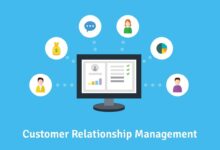

Why CRM Software for Small Business is a Game-Changer

Gone are the days when customer relationship management (CRM) was reserved for enterprise-level companies with deep pockets. Today, CRM software for small business has evolved into an accessible, affordable, and essential tool for entrepreneurs, solopreneurs, and growing teams. It’s not just about storing contact details—it’s about building stronger relationships, streamlining workflows, and driving predictable revenue.
What Exactly is CRM Software?
CRM stands for Customer Relationship Management. At its core, CRM software helps businesses manage every interaction with current and potential customers. This includes tracking leads, managing sales pipelines, automating marketing campaigns, logging customer service tickets, and analyzing performance data.
Modern CRM platforms are cloud-based, meaning you can access them from anywhere, on any device. They integrate with email, calendars, social media, and even e-commerce platforms like Shopify or WooCommerce. For small businesses, this means no more scattered spreadsheets, sticky notes, or missed follow-ups.
- Centralizes customer data in one secure location
- Automates repetitive tasks like email follow-ups
- Tracks every customer interaction across channels
- Provides real-time insights into sales performance
“A CRM isn’t just a database—it’s a strategic tool that turns customer interactions into growth opportunities.” — Forbes
Common Pain Points Solved by CRM for Small Businesses
Small business owners wear many hats. From sales and marketing to customer service and accounting, it’s easy to lose track of important customer touchpoints. Without a system in place, leads fall through the cracks, follow-ups get delayed, and customer satisfaction drops.
CRM software for small business directly addresses these challenges by offering structure and automation. For example:
- Lost Leads: A potential customer fills out a form on your website, but no one follows up. With CRM, that lead is automatically captured and assigned to a sales rep.
- Inconsistent Communication: One team member promises a discount, another doesn’t know about it. CRM logs all communications so everyone stays on the same page.
- Poor Customer Retention: You don’t know when a customer last purchased or what they bought. CRM tracks purchase history and behavior, enabling personalized service.
According to a Nucleus Research study, businesses see an average return of $8.71 for every dollar spent on CRM. That’s a compelling reason to invest early.
Top 7 CRM Software for Small Business in 2024
Choosing the right CRM can feel overwhelming. There are dozens of options, each with different features, pricing models, and learning curves. To help you decide, we’ve analyzed the top 7 CRM software for small business based on usability, affordability, scalability, and customer support.
crm software for small business – Crm software for small business menjadi aspek penting yang dibahas di sini.
1. HubSpot CRM
HubSpot CRM is often hailed as the best free CRM for small businesses. It offers a powerful, user-friendly platform with no cost for core features like contact management, deal tracking, email integration, and task automation.
What sets HubSpot apart is its ecosystem. As your business grows, you can seamlessly upgrade to paid marketing, sales, and service hubs without switching platforms. Its visual sales pipeline makes it easy to see where each deal stands.
- Free forever plan with robust features
- Integrates with Gmail, Outlook, and over 1,000 apps
- Excellent for inbound marketing and lead nurturing
- AI-powered email suggestions and meeting scheduling
HubSpot also offers educational resources and certifications, making it ideal for teams new to CRM. Learn more at HubSpot CRM.
2. Zoho CRM
Zoho CRM is a feature-rich solution tailored for small to mid-sized businesses. It strikes a balance between affordability and functionality, offering AI-driven insights, workflow automation, and multi-channel communication tools.
One standout feature is Zia, Zoho’s AI assistant, which predicts deal closures, suggests next steps, and even detects sentiment in customer emails. This level of intelligence is rare in the small business CRM space.
- Highly customizable sales pipelines
- Strong automation with Blueprint and Flow Designer
- Mobile app with offline access
- Integrates with Zoho’s entire suite of business apps
Pricing starts at $14/user/month, making it a cost-effective choice. Visit Zoho CRM to explore plans.
3. Salesforce Essentials
When people think of CRM, they often think of Salesforce. While the full Salesforce platform can be complex and expensive, Salesforce Essentials is designed specifically for small businesses with up to 10 users.
It offers a simplified interface, pre-built workflows, and mobile access. You get core CRM capabilities like lead and contact management, activity tracking, and email integration—all within the trusted Salesforce ecosystem.
crm software for small business – Crm software for small business menjadi aspek penting yang dibahas di sini.
- Trusted brand with enterprise-grade security
- Easy setup with guided onboarding
- Scalable to full Salesforce Sales Cloud
- AppExchange offers thousands of integrations
Priced at $25/user/month, it’s pricier than some competitors but offers unmatched scalability. Learn more at Salesforce Essentials.
4. Insightly
Insightly is perfect for small businesses that need project management alongside CRM. It blends customer relationship tracking with project and task management, making it ideal for service-based businesses like agencies, consultants, and contractors.
Its strength lies in relationship linking—connecting contacts, companies, projects, and opportunities in a single view. This helps you understand not just who your customers are, but what they’re working on and how you can help.
- Project and task management built-in
- Visual workflow automation
- Customer lifecycle tracking from lead to renewal
- Strong API for custom integrations
Plans start at $29/user/month. Explore Insightly at Insightly CRM.
5. Freshsales (by Freshworks)
Freshsales stands out for its intuitive design and AI-powered features. It’s built for sales teams that want speed and simplicity without sacrificing power.
The platform includes a built-in phone system, email tracking, and lead scoring. Its AI assistant, Freddy, helps prioritize leads and automate follow-ups. The visual timeline view shows every interaction with a contact, making onboarding new reps easier.
- Free plan available with up to 10 users
- Smart email and call tracking
- Lead scoring based on engagement
- Real-time notifications and gamification
Freshsales is especially popular among startups and tech-savvy small businesses. Check it out at Freshsales.
6. Pipedrive
Pipedrive is built for sales-focused small businesses. Its entire interface revolves around the sales pipeline, making it incredibly visual and easy to use. If your team struggles with deal tracking, Pipedrive can bring clarity and momentum.
crm software for small business – Crm software for small business menjadi aspek penting yang dibahas di sini.
The drag-and-drop interface lets you move deals through stages with a click. It also offers automation, email integration, and reporting tools that help identify bottlenecks in your sales process.
- Sales pipeline is the central focus
- Activity-based selling approach
- Strong mobile app with voice commands
- Integration with over 400 tools via Zapier
Pricing starts at $14.90/user/month. Learn more at Pipedrive CRM.
7. Agile CRM
Agile CRM combines CRM, marketing automation, and helpdesk functionality in one platform. It’s a great all-in-one solution for small businesses that want to manage sales, marketing, and support without juggling multiple tools.
Features include web tracking, email campaigns, appointment scheduling, and ticketing. The free plan supports up to 10 users, making it one of the most generous entry-level options.
- All-in-one platform for sales, marketing, and service
- Website visitor tracking and pop-up forms
- Automation workflows for lead nurturing
- Mobile app with full functionality
While the interface can feel cluttered at first, Agile CRM offers tremendous value for the price. Visit Agile CRM to get started.
Key Features to Look for in CRM Software for Small Business
Not all CRM systems are created equal. When evaluating CRM software for small business, focus on features that align with your goals, team size, and budget. Here are the most important capabilities to consider.
1. Contact and Lead Management
This is the foundation of any CRM. You need a system that can store and organize contact information—names, emails, phone numbers, company details, and interaction history.
Look for features like:
crm software for small business – Crm software for small business menjadi aspek penting yang dibahas di sini.
- Custom fields to capture unique data (e.g., customer preferences)
- Duplicate detection to avoid clutter
- Tagging and segmentation for targeted outreach
- Import tools to migrate data from spreadsheets or other systems
A good CRM should make it easy to find, update, and engage with contacts—no more digging through old emails.
2. Sales Pipeline and Deal Tracking
Your sales process should be visible and measurable. A visual pipeline shows where each deal stands—prospecting, negotiation, closing—and helps forecast revenue.
Key features include:
- Drag-and-drop deal stages
- Deal value and probability tracking
- Automated reminders for follow-ups
- Forecasting reports based on pipeline data
According to Capterra, 68% of sales teams using CRM report improved forecasting accuracy.
3. Automation and Workflow Tools
Time is your most valuable resource. Automation saves hours by handling repetitive tasks like sending follow-up emails, assigning leads, or updating records.
Look for:
- Rule-based triggers (e.g., send email when lead reaches stage 3)
- Task assignment based on lead source or behavior
- Integration with email and calendar apps
- Custom workflows without coding
Automation not only boosts efficiency but also ensures consistency in customer communication.
How to Choose the Right CRM Software for Small Business
Selecting the right CRM isn’t just about features—it’s about fit. A tool that works for a 5-person startup might not suit a 20-person agency. Here’s a step-by-step guide to making the right choice.
crm software for small business – Crm software for small business menjadi aspek penting yang dibahas di sini.
1. Define Your Business Goals
Ask yourself: What do you want to achieve with CRM software for small business? Common goals include:
- Increasing sales conversion rates
- Reducing response time to leads
- Improving customer retention
- Scaling marketing efforts
Your goal will determine which features matter most. For example, if lead nurturing is a priority, focus on email automation and segmentation.
2. Assess Your Team’s Needs
Involve your team in the decision. Sales reps need easy data entry, marketers want campaign tools, and managers need reporting. A CRM that frustrates your team won’t get adopted.
Consider:
- Technical skill level of your team
- How much training time is available
- Mobile access requirements
- Integration with existing tools (e.g., Google Workspace, Slack)
User adoption is critical—studies show that 46% of CRM failures are due to poor user engagement.
3. Evaluate Scalability and Integration
Choose a CRM that grows with you. Today you might have 5 users, but what about in two years? Will the platform support more users, advanced features, or international teams?
Also, check integration capabilities. Your CRM should connect with:
- Email platforms (Gmail, Outlook)
- Accounting software (QuickBooks, Xero)
- Marketing tools (Mailchimp, Facebook Ads)
- E-commerce platforms (Shopify, WooCommerce)
Platforms like HubSpot and Zoho offer extensive app marketplaces, making integration seamless.
crm software for small business – Crm software for small business menjadi aspek penting yang dibahas di sini.
Implementing CRM Software: Best Practices for Small Businesses
Buying CRM software for small business is just the first step. Implementation is where most companies stumble. A poorly rolled-out CRM leads to low adoption, data silos, and wasted investment.
1. Start with a Clear Data Migration Plan
If you’re moving from spreadsheets or an old system, clean your data first. Remove duplicates, standardize formats (e.g., phone numbers), and categorize leads.
Most CRMs offer import tools for CSV files. Test with a small batch before migrating everything. Assign ownership of records to avoid confusion.
2. Train Your Team Effectively
Even the best CRM fails if people don’t know how to use it. Provide hands-on training, not just a manual. Use real scenarios—like logging a call or creating a deal—to make it practical.
Consider:
- Hosting live training sessions
- Creating short video tutorials
- Appointing a CRM champion on each team
- Scheduling refresher courses every quarter
According to Salesforce, companies that invest in training see 3x higher user adoption rates.
3. Customize Without Overcomplicating
Customization is powerful, but too much can overwhelm users. Start with default settings, then gradually add custom fields, pipelines, or automation.
Focus on what’s essential:
crm software for small business – Crm software for small business menjadi aspek penting yang dibahas di sini.
- Custom deal stages that match your sales process
- Tags for lead source or industry
- Automated email sequences for common scenarios
Resist the urge to build complex workflows on day one. Simplicity drives adoption.
Measuring the ROI of CRM Software for Small Business
How do you know if your CRM is worth the investment? Track key performance indicators (KPIs) before and after implementation to measure impact.
1. Sales Performance Metrics
Compare sales data from before and after CRM adoption. Look for improvements in:
- Average deal size
- Sales cycle length
- Conversion rates (lead to customer)
- Number of deals closed per rep
Most CRMs offer built-in reports for these metrics. Set benchmarks and review them monthly.
2. Customer Satisfaction and Retention
A good CRM improves customer experience. Track:
- Customer satisfaction (CSAT) scores
- Net Promoter Score (NPS)
- Repeat purchase rate
- Response time to inquiries
With better data and follow-up systems, you’ll likely see higher retention and loyalty.
3. Time and Cost Savings
Calculate how much time your team saves on manual tasks. For example:
- Hours spent on data entry per week
- Time to generate sales reports
- Number of missed follow-ups
Even saving 5 hours per week adds up to over 200 hours a year—time that can be spent on revenue-generating activities.
crm software for small business – Crm software for small business menjadi aspek penting yang dibahas di sini.
Common CRM Implementation Mistakes to Avoid
Many small businesses make avoidable errors when adopting CRM software for small business. Learning from these can save you time, money, and frustration.
1. Skipping the Planning Phase
Diving in without a strategy leads to chaos. Define your goals, processes, and data structure before setting up the CRM.
Ask: What does your ideal customer journey look like? What information do you need at each stage? Map it out first.
2. Poor Data Quality
Garbage in, garbage out. If your CRM is filled with outdated or incorrect data, it loses credibility. Enforce data entry standards and conduct regular cleanups.
“Your CRM is only as good as the data you put into it.” — Harvard Business Review
3. Lack of User Adoption
If your team doesn’t use the CRM, it’s useless. Encourage adoption by showing value—demonstrate how it makes their job easier, not harder.
Leadership buy-in is crucial. Managers should use the CRM daily and hold teams accountable for logging interactions.
What is the best CRM software for small business with a tight budget?
HubSpot CRM and Freshsales offer powerful free plans that include contact management, deal tracking, and email integration. Agile CRM also has a free tier for up to 10 users. These are excellent starting points for bootstrapped businesses.
crm software for small business – Crm software for small business menjadi aspek penting yang dibahas di sini.
Can CRM software help with marketing automation?
Yes, many CRM platforms like HubSpot, Zoho, and Agile CRM include marketing automation features such as email campaigns, lead scoring, and web tracking. This allows small businesses to run targeted campaigns without needing separate tools.
How long does it take to implement a CRM system?
For small businesses, basic setup can take 1–2 weeks. Full adoption, including data migration and training, may take 1–3 months. The timeline depends on team size, data complexity, and customization needs.
Is cloud-based CRM safe for small businesses?
Yes, reputable CRM providers use enterprise-grade security, including data encryption, two-factor authentication, and regular backups. Cloud CRM is often more secure than on-premise systems, especially for small businesses without dedicated IT staff.
Do I need IT support to use CRM software?
Most modern CRM software for small business is designed for non-technical users. Platforms like HubSpot and Pipedrive offer intuitive interfaces and customer support. You typically don’t need dedicated IT staff to get started.
crm software for small business – Crm software for small business menjadi aspek penting yang dibahas di sini.
CRM software for small business is no longer a luxury—it’s a necessity. From organizing leads to automating follow-ups and analyzing performance, the right CRM can transform how you grow and serve customers. The key is choosing a platform that fits your goals, budget, and team size. Whether you start with a free tool like HubSpot or invest in a more robust system like Zoho or Salesforce, the return on investment can be substantial. Focus on ease of use, integration, and user adoption to ensure long-term success. With the right strategy, your CRM becomes the central nervous system of your business—driving efficiency, insight, and growth.
Recommended for you 👇
Further Reading:
