Thinking about where to buy CRM software for small business? You’re not alone. With so many options, pricing models, and features, choosing the right CRM can feel overwhelming. But the right tool can transform your sales, marketing, and customer service—starting today.

Why You Should Buy CRM Software for Small Business

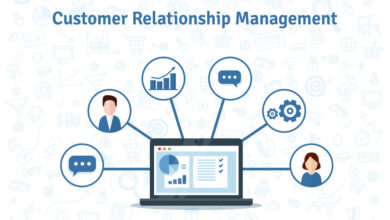
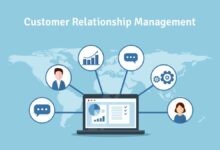
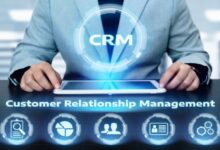
Small businesses today operate in a fast-paced, customer-driven environment. To stay competitive, you need tools that help you manage relationships efficiently. That’s where CRM (Customer Relationship Management) software comes in. It’s not just for big corporations anymore. Modern CRM platforms are affordable, scalable, and packed with features tailored for small teams.
Boost Sales Efficiency
One of the primary reasons to buy CRM software for small business is to streamline your sales process. A CRM helps you track every lead, from first contact to closed deal. It eliminates the chaos of scattered spreadsheets and sticky notes.
- Automatically log calls, emails, and meetings
- Set reminders for follow-ups
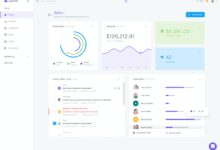
- Visualize your sales pipeline with drag-and-drop boards
According to Salesforce, companies using CRM see a 29% increase in sales performance on average.
Improve Customer Retention
Acquiring a new customer can cost five times more than retaining an existing one. When you buy CRM software for small business, you gain a 360-degree view of each customer. This includes purchase history, support tickets, and communication logs.
- Personalize follow-ups based on customer behavior
- Identify at-risk customers before they churn
- Send automated birthday or anniversary messages
“A CRM isn’t just a database—it’s a relationship engine.” — HubSpot Blog
Enhance Team Collaboration
CRM software breaks down silos between sales, marketing, and support teams. Everyone accesses the same customer data in real time. No more duplicate efforts or miscommunication.
buy crm software for small business – Buy crm software for small business menjadi aspek penting yang dibahas di sini.
- Assign tasks and track progress
- Share customer notes across departments
- Collaborate on deals without switching apps
Platforms like Zoho CRM offer built-in team chat and project management tools, making collaboration seamless.
Top 7 CRM Features Small Businesses Must Have
When you buy CRM software for small business, don’t just look at price. Focus on features that deliver real value. Here are the seven must-have capabilities every small business should prioritize.
Contact and Lead Management
This is the foundation of any CRM. You need a system that stores all your contacts in one place, with the ability to segment them by source, behavior, or lifecycle stage.
- Import contacts from email, social media, or spreadsheets
- Tag leads based on interest level (e.g., hot, warm, cold)
- Duplicate detection to avoid clutter
For example, Pipedrive offers intuitive lead scoring and tagging, helping small teams prioritize high-value prospects.
Automation and Workflow Tools
Time is your most valuable resource. Automation reduces manual tasks like data entry, follow-up emails, and task assignments.
- Set up email sequences for new leads
- Trigger actions based on customer behavior (e.g., send a discount after inactivity)
- Auto-assign leads to team members based on rules
According to Nuance, automation can save up to 6 hours per employee per week.
buy crm software for small business – Buy crm software for small business menjadi aspek penting yang dibahas di sini.
Mobile Accessibility
Small business owners are rarely at a desk. Whether you’re meeting clients, attending events, or working remotely, your CRM must be accessible on mobile devices.
- Full-featured iOS and Android apps
- Offline mode for data entry without internet
- Push notifications for urgent tasks
Platforms like Salesforce Essentials offer robust mobile experiences, ensuring you never miss a beat.
How to Buy CRM Software for Small Business: A Step-by-Step Guide
Buying CRM software doesn’t have to be complicated. Follow this proven 5-step process to make a smart, confident decision.
Assess Your Business Needs
Start by identifying your pain points. Are you losing leads? Missing follow-ups? Struggling with team coordination? Write down your top 3 challenges.
- Interview sales and support teams for input
- Map your current customer journey
- Determine which processes need automation
This step ensures you don’t pay for features you’ll never use.
Set a Realistic Budget
CRM pricing varies widely—from free plans to $100+ per user per month. Most small businesses should expect to spend between $12 and $50 per user monthly.
buy crm software for small business – Buy crm software for small business menjadi aspek penting yang dibahas di sini.
- Consider long-term costs: training, integrations, add-ons
- Look for annual billing discounts (often 10-20% off)
- Factor in setup time and potential downtime
Many vendors offer free trials or freemium models. Use them to test before you buy.
Compare Top CRM Platforms
Once you know your needs and budget, it’s time to compare options. Here’s a quick overview of top CRMs for small businesses:
- HubSpot CRM: Free forever plan, excellent for marketing automation
- Zoho CRM: Affordable, feature-rich, great for growing teams
- Pipedrive: Sales-focused, intuitive pipeline management
- Salesforce Essentials: Powerful but steeper learning curve
- Insightly: Strong project and contact management combo
Visit each vendor’s website and request demos. Pay attention to user interface and ease of setup.
Top 5 CRM Platforms to Buy for Small Business in 2024
If you’re ready to buy CRM software for small business, here are the five best platforms this year—based on features, pricing, and user satisfaction.
1. HubSpot CRM
HubSpot offers one of the most popular free CRM platforms. It’s perfect for startups and small teams that want powerful tools without upfront costs.
- Free plan includes contact management, email tracking, and deal pipelines
- Paid tiers add marketing automation, live chat, and reporting
- Seamless integration with Gmail, Outlook, and Slack
According to G2 reviews, HubSpot scores 4.4/5 for ease of use and customer support.
buy crm software for small business – Buy crm software for small business menjadi aspek penting yang dibahas di sini.
2. Zoho CRM
Zoho CRM is a powerhouse for small businesses that need scalability. It offers AI-driven insights, workflow automation, and industry-specific templates.
- Plans start at $14/user/month (billed annually)
- Zia AI assistant predicts deal closures and suggests next steps
- Over 40 integrations with tools like QuickBooks, Mailchimp, and Shopify
Zoho is especially strong for e-commerce and service-based businesses.
3. Pipedrive
Pipedrive is built for sales teams that want a visual, intuitive pipeline. It’s ideal for small businesses focused on closing deals quickly.
- Drag-and-drop interface makes deal tracking effortless
- Activity reminders and goal tracking keep teams motivated
- Mobile app rated 4.7 on App Store
Pipedrive’s “Sales Navigator” helps prioritize high-probability deals, reducing wasted effort.
4. Salesforce Essentials
Salesforce isn’t just for enterprises. Essentials is a simplified version designed for small teams with big ambitions.
- $25/user/month for core CRM features
- Customizable dashboards and reports
- Access to Salesforce AppExchange for thousands of integrations
While it has a learning curve, Salesforce Essentials offers unmatched scalability as your business grows.
buy crm software for small business – Buy crm software for small business menjadi aspek penting yang dibahas di sini.
5. Insightly
Insightly stands out by combining CRM with project management. If your small business handles client projects, this could be the perfect fit.
- Track tasks, milestones, and deliverables alongside contacts
- Workflow automation for onboarding and follow-ups
- Strong API for custom integrations
Starting at $29/user/month, Insightly is pricier but delivers exceptional value for service-based firms.
Common Mistakes to Avoid When You Buy CRM Software for Small Business
Even with the best intentions, many small businesses make costly mistakes when buying CRM software. Avoid these pitfalls to ensure a smooth implementation.
Choosing Based on Price Alone
It’s tempting to go for the cheapest option, but low cost often means limited features, poor support, or hidden fees. A $10/user/month CRM might save money today but cost you in lost productivity tomorrow.
- Free tools may lack automation or integrations
- Low-cost CRMs often have poor customer service
- Upgrade costs can spike unexpectedly
Instead, evaluate total cost of ownership (TCO), including training and time investment.
Ignoring User Adoption
The best CRM is useless if your team won’t use it. Forcing a complex system on reluctant employees leads to data gaps and frustration.
buy crm software for small business – Buy crm software for small business menjadi aspek penting yang dibahas di sini.
- Involve your team in the selection process
- Choose a user-friendly interface
- Provide training and ongoing support
“If your CRM feels like a chore, it won’t last.” — TechRadar
Skipping Integration Checks
Your CRM should work with your existing tools—email, calendar, accounting, marketing platforms. If it doesn’t, you’ll end up double-entering data.
- Verify compatibility with Gmail, Outlook, or Microsoft 365
- Check if it integrates with your e-commerce platform (e.g., Shopify, WooCommerce)
- Look for native or Zapier-based connections
For example, Zapier supports 5,000+ app integrations, making it easier to connect your CRM to other tools.
How to Implement CRM Successfully After You Buy CRM Software for Small Business
Buying the software is just the beginning. Implementation is where most small businesses succeed or fail. Follow these steps to ensure a smooth rollout.
Start with a Pilot Team
Don’t roll out the CRM to everyone at once. Start with a small group—your sales manager and two reps. Let them test the system, provide feedback, and identify issues.
- Run a 2-week trial with real data
- Document common challenges and solutions
- Adjust workflows before company-wide launch
This reduces risk and builds internal champions.
Import and Clean Your Data
Migrating old contacts? Don’t just dump everything in. Clean your data first—remove duplicates, update outdated info, and standardize formats.
buy crm software for small business – Buy crm software for small business menjadi aspek penting yang dibahas di sini.
- Use tools like Import.io or Tray.io for automated data migration
- Map fields correctly (e.g., “Company Name” to “Organization”)
- Test a small batch before full import
Dirty data leads to inaccurate reports and broken automations.
Train Your Team Effectively
Even the simplest CRM requires training. Create short, role-specific guides or videos.
- Sales team: How to log calls and update deals
- Marketing team: How to tag leads from campaigns
- Support team: How to log and resolve tickets
Offer live Q&A sessions and reward early adopters to boost engagement.
Measuring ROI: Is Your CRM Worth It?
After you buy CRM software for small business, how do you know it’s working? Track these key metrics to measure return on investment.
Sales Conversion Rates
Compare your win rate before and after CRM implementation. Are you closing more deals? Is the sales cycle shorter?
- Track lead-to-customer conversion percentage
- Monitor average deal size
- Measure time spent per stage in the pipeline
Aim for at least a 15% improvement within 6 months.
buy crm software for small business – Buy crm software for small business menjadi aspek penting yang dibahas di sini.
Customer Satisfaction (CSAT)
Happy customers stay longer and refer others. Use your CRM to send post-interaction surveys.
- Track CSAT, NPS (Net Promoter Score), and response times
- Identify trends in support tickets
- Spot recurring issues and fix them proactively
According to Help Scout, companies with high CSAT grow 2.5x faster.
Team Productivity Gains
How much time does your team save weekly? Use CRM reports to measure:
- Number of automated tasks completed
- Reduction in manual data entry
- Increased number of calls or emails sent
Even a 20% time savings can free up 8 hours per employee per week—time that can be reinvested in growth.
What is the best CRM for a small business with no budget?
HubSpot CRM offers a powerful free plan that includes contact management, email tracking, deal pipelines, and basic automation. It’s ideal for startups and solopreneurs who need core CRM functionality without spending a dime. Plus, it integrates seamlessly with Gmail, Outlook, and popular marketing tools.
buy crm software for small business – Buy crm software for small business menjadi aspek penting yang dibahas di sini.
How much does CRM software typically cost for small businesses?
Most small businesses pay between $12 and $50 per user per month. Some platforms like HubSpot offer free plans, while others like Salesforce Essentials start at $25/user/month. Annual billing often reduces costs by 10-20%. Consider setup, training, and integration expenses for a full picture.
Can I switch CRMs if I’m not happy with my current one?
Yes, you can switch CRMs. Most platforms allow data export in CSV format, which can be imported into a new system. Use tools like Zapier or Tray.io for smoother migration. However, plan the transition carefully to avoid data loss or downtime.
Do I need technical skills to use CRM software?
No, most modern CRM platforms are designed for non-technical users. They feature drag-and-drop interfaces, pre-built templates, and intuitive navigation. Vendors like HubSpot and Zoho offer extensive tutorials and customer support to help you get started.
buy crm software for small business – Buy crm software for small business menjadi aspek penting yang dibahas di sini.
How long does it take to implement a CRM in a small business?
Implementation typically takes 2 to 6 weeks. It includes setup, data migration, team training, and testing. Starting with a pilot team can speed up the process. With proper planning, you can be fully operational in under a month.
Deciding to buy CRM software for small business is one of the smartest moves you can make. It streamlines sales, strengthens customer relationships, and boosts team productivity. By understanding your needs, choosing the right platform, and implementing it effectively, you set your business up for long-term success. The key is to start small, stay consistent, and measure results. Your future self—and your customers—will thank you.
Further Reading: