Review of crm software for small business: Best CRM Software for Small Business: 7 Ultimate Reviews

Looking for the best CRM software for small business? You’re not alone. In this comprehensive review of CRM software for small business, we break down the top platforms, features, pricing, and real-world usability to help you make a smart, data-driven decision—without the fluff.


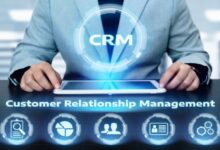
Why a CRM Is Essential for Small Business Growth

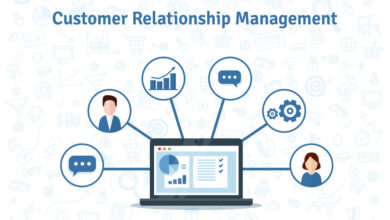
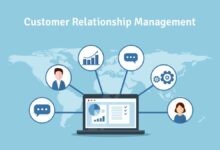
A Customer Relationship Management (CRM) system is no longer a luxury reserved for enterprise companies. For small businesses, adopting the right CRM can be a game-changer in managing leads, nurturing customer relationships, and streamlining sales processes. This review of CRM software for small business highlights how the right tool can transform disorganized spreadsheets into a powerful growth engine.
Streamline Sales and Marketing Efforts
One of the primary benefits of using CRM software is the ability to centralize all customer interactions. Whether it’s tracking a lead from a social media ad or following up after a demo call, a CRM ensures nothing falls through the cracks.
- Automate follow-up emails and reminders
- Track lead sources and campaign performance
- Sync with email and calendar tools like Gmail and Outlook
According to Salesforce’s State of Sales Report, high-performing sales teams are 2.2x more likely to use CRM data to guide their strategies.
review of crm software for small business – Review of crm software for small business menjadi aspek penting yang dibahas di sini.
Improve Customer Retention and Satisfaction
Small businesses thrive on relationships. A CRM helps you remember customer preferences, past purchases, and support history—making every interaction feel personal and informed.
- Log all customer communications in one place
- Set service-level agreements (SLAs) for response times
- Trigger automated satisfaction surveys post-purchase
“A satisfied customer tells ten people; an angry one tells a hundred.” – CRM isn’t just about sales—it’s about loyalty.”
Top 7 CRM Software for Small Business: In-Depth Review
In this section, we dive into a detailed review of CRM software for small business, evaluating each platform on usability, pricing, scalability, integrations, and customer support. These are the top contenders in 2024 based on real user feedback and expert testing.
1. HubSpot CRM
HubSpot CRM consistently ranks as the #1 free CRM for small businesses. Its intuitive interface, powerful automation, and seamless integration with marketing tools make it a favorite among startups and growing teams.
- Pricing: Free forever plan with robust features; paid tiers start at $20/month
- Best for: Marketing-savvy small businesses and inbound sales teams
- Key Features: Email tracking, meeting scheduling, live chat, deal pipelines
One standout feature is the HubSpot Sales Hub, which allows users to track email opens, clicks, and reply rates directly within Gmail or Outlook. This level of insight is rare in free CRM tools.
review of crm software for small business – Review of crm software for small business menjadi aspek penting yang dibahas di sini.
2. Zoho CRM
Zoho CRM offers exceptional value with deep customization and AI-powered insights. It’s ideal for small businesses that anticipate growth and need a scalable solution.
- Pricing: Starts at $14/user/month; free plan available for up to 3 users
- Best for: Tech-savvy teams needing automation and AI assistance
- Key Features: Zia AI assistant, workflow automation, sales forecasting
Zia, Zoho’s AI engine, can predict deal closures, suggest next steps, and even detect sentiment in customer emails. For a small business, this kind of intelligence levels the playing field against larger competitors.
3. Salesforce Essentials
Salesforce, the global CRM leader, offers a simplified version called Essentials tailored for small businesses with up to 10 users.
- Pricing: $25/user/month
- Best for: Businesses planning to scale and integrate with enterprise tools
- Key Features: Mobile app, lead scoring, email integration, reporting dashboards
While more expensive than some competitors, Salesforce Essentials gives small businesses access to the same robust platform used by Fortune 500 companies. It’s a smart long-term investment.
review of crm software for small business – Review of crm software for small business menjadi aspek penting yang dibahas di sini.
4. Freshsales (by Freshworks)
Freshsales stands out with its clean UI and built-in phone and email capabilities. It’s perfect for sales teams that want everything in one place.
- Pricing: Free plan for up to 2 users; paid plans start at $15/user/month
- Best for: Inside sales teams and startups with limited IT resources
- Key Features: AI-based lead scoring, built-in calling, visual deal pipeline
The AI-powered lead scoring automatically ranks prospects based on engagement, helping small teams prioritize high-value opportunities without manual effort.
5. Pipedrive
Pipedrive is built for sales-focused small businesses. Its visual sales pipeline makes it easy to track deals from first contact to close.
- Pricing: Starts at $14.90/user/month
- Best for: Sales-driven startups and solo entrepreneurs
- Key Features: Drag-and-drop pipeline, activity reminders, email integration
According to user reviews on G2, Pipedrive’s simplicity and focus on sales execution make it one of the most adopted CRMs among small sales teams.
review of crm software for small business – Review of crm software for small business menjadi aspek penting yang dibahas di sini.
6. Insightly
Insightly bridges the gap between CRM and project management, making it ideal for service-based small businesses like consultants, contractors, and agencies.
- Pricing: Starts at $29/user/month
- Best for: Project-driven businesses needing CRM + task management
- Key Features: Project timelines, relationship linking, workflow automation
Its unique “relationship linking” feature allows you to map how contacts, organizations, and projects are connected—critical for complex client engagements.
7. Keap (formerly Infusionsoft)
Keap is designed for small businesses that rely heavily on automation and appointment booking, such as coaches, consultants, and local service providers.
- Pricing: Starts at $99/month for up to 500 contacts
- Best for: Service-based businesses with recurring client interactions
- Key Features: Marketing automation, appointment scheduling, payment collection
While pricier than others, Keap’s all-in-one approach eliminates the need for multiple tools, saving time and reducing tech clutter.
review of crm software for small business – Review of crm software for small business menjadi aspek penting yang dibahas di sini.
Key Features to Look for in CRM Software for Small Business
Not all CRMs are created equal. In this review of CRM software for small business, we’ve identified the must-have features that deliver real value without overwhelming your team.
User-Friendly Interface
Small businesses often lack dedicated IT staff, so ease of use is critical. The best CRM platforms offer intuitive dashboards, drag-and-drop functionality, and minimal learning curves.
- Look for mobile app availability
- Check for onboarding tutorials and customer support
- Ensure role-based access controls for team members
A study by Nucleus Research found that companies with user-friendly CRMs achieve 3x faster adoption rates.
Automation and Workflow Tools
Automation saves time and reduces human error. From sending follow-up emails to assigning tasks, these tools help small teams do more with less.
review of crm software for small business – Review of crm software for small business menjadi aspek penting yang dibahas di sini.
- Email automation based on customer behavior
- Task assignment when a deal moves stages
- Automated data entry from web forms
“The goal of automation isn’t to replace humans—it’s to free them from repetitive tasks so they can focus on relationships.”
Integration Capabilities
Your CRM should work seamlessly with tools you already use—like email, calendars, accounting software, and social media.
- Check native integrations with Gmail, Outlook, Slack, Zoom
- Look for connections with platforms like QuickBooks, Mailchimp, or Shopify
- Ensure API access for custom integrations if needed
For example, HubSpot integrates with over 1,000 apps via its marketplace, making it one of the most flexible options in this review of CRM software for small business.
How to Choose the Right CRM: A Step-by-Step Guide
Selecting the right CRM doesn’t have to be overwhelming. Follow this proven framework to make a confident decision based on your business needs.
Assess Your Business Needs
Start by asking: What problems are you trying to solve? Are you struggling with lead follow-up? Losing track of customer conversations? Need better reporting?
review of crm software for small business – Review of crm software for small business menjadi aspek penting yang dibahas di sini.
- Map out your sales process from lead to close
- Identify pain points in customer communication
- Determine if you need marketing, sales, or service features
For instance, a real estate agent might prioritize appointment scheduling and lead capture, while an e-commerce store may need order tracking and customer segmentation.
Set a Realistic Budget
CRMs range from free to hundreds of dollars per user per month. Define your budget early to narrow down options.
- Consider total cost of ownership (including training and add-ons)
- Look for annual billing discounts
- Factor in future scalability—will the tool grow with you?
Many platforms offer free trials or freemium models. Use them to test before committing.
Test with a Free Trial
Never buy a CRM without testing it. Most top platforms offer 14–30 day free trials.
review of crm software for small business – Review of crm software for small business menjadi aspek penting yang dibahas di sini.
- Import real contacts to see how data appears
- Simulate a sales cycle from lead to deal close
- Test mobile access and team collaboration features
During the trial, involve key team members—sales, marketing, customer service—to get diverse feedback.
Common CRM Implementation Mistakes to Avoid
Even the best CRM software for small business can fail if implemented poorly. Here are the most common pitfalls and how to avoid them.
Poor Data Migration
Moving data from spreadsheets or old systems into a new CRM is often messy. Incomplete or duplicate records can undermine trust in the system.
- Clean your data before importing (remove duplicates, standardize formats)
- Use CSV import tools with validation checks
- Start with a small batch, test, then scale
Tip: Use tools like Import.io or Zapier to automate data transfer from web sources or legacy systems.
review of crm software for small business – Review of crm software for small business menjadi aspek penting yang dibahas di sini.
Lack of Team Training
If your team doesn’t understand how to use the CRM, they won’t use it. Adoption is the biggest predictor of CRM success.
- Provide hands-on training sessions
- Create simple SOPs (Standard Operating Procedures)
- Appoint a CRM champion on your team
“A CRM is only as good as the data it contains—and the people who use it.”
Over-Customization Too Early
While customization is powerful, tweaking every field and workflow on day one can lead to confusion and technical debt.
- Start with default settings and proven templates
- Customize only after you’ve used the system for a few weeks
- Document all changes for future reference
Remember: Simplicity wins in the early stages.
Real-World Success Stories: Small Businesses Using CRM
Still unsure if a CRM is worth it? These real-world examples from this review of CRM software for small business show tangible results.
review of crm software for small business – Review of crm software for small business menjadi aspek penting yang dibahas di sini.
Local Marketing Agency Boosts Client Retention by 40%
A boutique digital marketing agency in Austin switched from Google Sheets to HubSpot CRM. By tracking client interactions and automating monthly reports, they reduced churn and increased upsell opportunities.
- Used deal pipelines to track campaign renewals
- Sent automated satisfaction surveys
- Integrated with Slack for team alerts
Result: 40% improvement in client retention within 6 months.
E-Commerce Store Increases Repeat Sales by 25%
An online fashion brand implemented Zoho CRM to segment customers by purchase behavior. They launched targeted email campaigns for lapsed buyers and VIPs.
- Tagged customers based on order value and frequency
- Automated birthday discounts and re-engagement emails
- Tracked ROI per campaign
Result: 25% increase in repeat purchases and higher average order value.
review of crm software for small business – Review of crm software for small business menjadi aspek penting yang dibahas di sini.
Consulting Firm Cuts Admin Time by 15 Hours/Week
A financial consulting firm adopted Keap to manage client onboarding, scheduling, and invoicing. Automation replaced manual follow-ups and data entry.
- Created automated onboarding sequences
- Synced calendars to avoid double-booking
- Integrated payment processing
Result: Saved 15+ hours weekly, allowing consultants to focus on client strategy.
Future Trends in CRM for Small Businesses
The CRM landscape is evolving fast. In this final section of our review of CRM software for small business, we explore emerging trends that will shape the next generation of customer relationship tools.
AI-Powered Insights and Predictions
Artificial intelligence is no longer sci-fi—it’s in your CRM. Platforms like Zoho and Salesforce now offer AI that predicts deal success, recommends next steps, and even drafts emails.
review of crm software for small business – Review of crm software for small business menjadi aspek penting yang dibahas di sini.
- AI-driven lead scoring will become standard
- Natural language processing (NLP) will analyze call transcripts
- Chatbots will handle initial customer inquiries
For small businesses, AI levels the playing field by providing enterprise-grade intelligence at affordable prices.
Mobile-First CRM Experiences
With more teams working remotely, mobile CRM access is essential. Future CRMs will prioritize mobile UX with offline access, voice input, and push notifications.
- Field sales reps can update deals on the go
- Service teams can log support tickets from client sites
- Managers can approve tasks from their phones
Look for apps with robust offline functionality and biometric login security.
Deeper Integration with E-Commerce and Social Media
CRMs are becoming central hubs that pull data from Shopify, Instagram, Facebook, and Google Ads. This unified view helps small businesses deliver hyper-personalized experiences.
review of crm software for small business – Review of crm software for small business menjadi aspek penting yang dibahas di sini.
- Track customer journeys across online and offline touchpoints
- Trigger follow-ups based on cart abandonment
- Attribute sales to specific social campaigns
For example, HubSpot’s integration with Shopify allows automatic syncing of orders, customers, and product data—eliminating manual entry.
What is the best free CRM for small business?
HubSpot CRM is widely regarded as the best free CRM for small businesses. It offers a robust set of features including contact management, email tracking, deal pipelines, and task automation—all at no cost. It’s ideal for startups and small teams looking to get started without financial risk.
Which CRM is easiest to use for beginners?
review of crm software for small business – Review of crm software for small business menjadi aspek penting yang dibahas di sini.
Pipedrive and HubSpot CRM are the most user-friendly options for beginners. Pipedrive’s visual sales pipeline makes it intuitive for sales-focused teams, while HubSpot’s clean interface and extensive onboarding resources make it easy to learn quickly.
Can a small business really benefit from a CRM?
Absolutely. Small businesses benefit from CRMs by improving customer retention, increasing sales efficiency, and gaining actionable insights. Even solopreneurs can save hours each week by automating follow-ups and organizing client information in one place.
How much should a small business spend on CRM software?
review of crm software for small business – Review of crm software for small business menjadi aspek penting yang dibahas di sini.
Most small businesses spend between $10–$50 per user per month. Many platforms offer free plans for up to 3–5 users. It’s wise to start with a low-cost or free option, then scale as your team and needs grow.
Do I need technical skills to set up a CRM?
No, most modern CRM platforms are designed for non-technical users. They offer drag-and-drop interfaces, pre-built templates, and guided setup wizards. If you can use email and spreadsheets, you can use a CRM.
Choosing the right CRM is one of the most impactful decisions a small business can make. This review of CRM software for small business has covered the top platforms, key features, implementation tips, and real-world results. Whether you’re a solopreneur or a growing team, there’s a CRM that fits your needs and budget. The key is to start small, focus on adoption, and scale intelligently. With the right tool, you’ll not only organize your customer data—you’ll unlock new growth opportunities.
review of crm software for small business – Review of crm software for small business menjadi aspek penting yang dibahas di sini.
Further Reading: