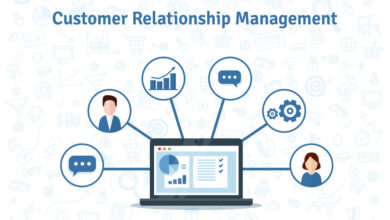
Finding the right good crm software for small business can feel overwhelming, but it doesn’t have to be. With the right tool, you can boost sales, improve customer relationships, and streamline daily operations—all without breaking the bank.

Why Good CRM Software for Small Business Is a Game-Changer
Small businesses face unique challenges when it comes to managing customer relationships. Unlike large enterprises with dedicated teams and massive budgets, small businesses need efficient, affordable, and scalable solutions. This is where good crm software for small business steps in as a true game-changer.
Boosting Sales Efficiency
One of the primary benefits of using a good crm software for small business is the ability to streamline the sales process. By centralizing customer data, tracking interactions, and automating follow-ups, sales teams can focus on closing deals rather than chasing information.
- Automated lead scoring helps prioritize high-potential prospects.
- Sales pipelines provide visual tracking of deals from initial contact to closure.
- Integration with email and calendars ensures no follow-up is missed.
According to Salesforce’s State of Sales Report, high-performing sales teams are 2.2x more likely to use CRM tools than underperformers.
Enhancing Customer Relationships
A good crm software for small business doesn’t just help sell more—it helps build stronger relationships. When every customer interaction is logged and accessible, your team can deliver personalized service at scale.
- Track purchase history, preferences, and support tickets in one place.
- Send personalized emails based on customer behavior.
- Anticipate needs using data-driven insights.
“CRM isn’t just about managing contacts—it’s about managing relationships.” — Paul Greenberg, CRM Industry Analyst
Top 7 Good CRM Software for Small Business in 2024
Choosing the best good crm software for small business requires evaluating features, pricing, ease of use, and scalability. Below is a curated list of the top 7 CRM platforms tailored for small businesses.
1. HubSpot CRM
HubSpot CRM stands out as one of the most popular good crm software for small business due to its powerful free plan and seamless integration with marketing and sales tools.
- Free Forever Plan: Includes contact management, deal tracking, email integration, and live chat.
- User-Friendly Interface: Intuitive dashboard ideal for non-technical users.
- Automation Features: Automate email sequences, task assignments, and follow-ups.
HubSpot also offers robust educational resources through HubSpot Academy, helping small business owners master CRM best practices. Its ecosystem grows with your business, allowing upgrades to marketing, sales, and service hubs as needed.
2. Zoho CRM
Zoho CRM is a feature-rich, affordable option that’s perfect for small businesses looking for scalability and customization.
- AI-Powered Assistant (Zia): Predicts deal closures, suggests next steps, and automates data entry.
- Customizable Workflows: Tailor sales processes to match your unique business model.
- Multi-Channel Support
Zoho CRM integrates with over 40 business applications, including G Suite, QuickBooks, and Mailchimp. It’s particularly strong for businesses managing leads across email, phone, and social media. Learn more at Zoho’s official site.
3. Salesforce Essentials
Salesforce, the global leader in CRM, offers Salesforce Essentials—a simplified version designed specifically for small businesses.
- Mobile-First Design: Full functionality on smartphones and tablets.
- Pre-Built Sales Processes: Ready-to-use templates for common sales cycles.
- Team Collaboration Tools: Chatter feature enables internal communication within the CRM.
While slightly more expensive than other options, Salesforce Essentials delivers enterprise-grade reliability and security. It’s ideal for small businesses planning rapid growth. Explore it at Salesforce Essentials Pricing Page.
4. Freshsales (by Freshworks)
Freshsales is a modern, AI-driven CRM that’s gaining popularity among small businesses for its intuitive design and smart automation.
- Visual Deal Pipeline: Drag-and-drop interface for managing deals.
- Lead Scoring & Behavior Tracking: Automatically ranks leads based on engagement.
- Integrated Phone & Email: Make calls and send emails directly from the CRM.
Freshsales also offers a free plan with up to 10 users, making it one of the most accessible good crm software for small business options. Its AI assistant, Freddy, provides real-time coaching and insights. Visit Freshworks CRM for more details.
5. Pipedrive
Pipedrive is built for sales-focused small businesses that want a visual, pipeline-driven approach to managing deals.
- Sales Pipeline Focus: Designed around the sales process, not just contact management.
- Activity-Based Reminders: Schedule calls, emails, and tasks with ease.
- Mobile App Excellence: Highly rated iOS and Android apps for on-the-go access.
Pipedrive’s simplicity makes it ideal for startups and solopreneurs. It integrates with over 300 tools, including Mailchimp, Slack, and Google Workspace. According to G2 reviews, Pipedrive scores high for ease of use and sales tracking.
6. Insightly
Insightly combines CRM and project management, making it a powerful choice for service-based small businesses.
- Project & Task Management: Link customer records to projects and milestones.
- Workflow Automation: Automate repetitive tasks like lead assignment and follow-ups.
- Bidirectional Sync with Google & Outlook: Keeps calendars and contacts in sync.
Insightly is particularly effective for consultants, contractors, and agencies that manage long-term client relationships. It supports custom fields and reporting, offering flexibility without complexity. Learn more at Insightly’s website.
7. Keap (formerly Infusionsoft)
Keap is designed for small businesses that need CRM, marketing automation, and sales pipeline management in one platform.
- Marketing Automation: Create email sequences, landing pages, and lead capture forms.
- Appointment Scheduling: Built-in calendar booking to reduce back-and-forth emails.
- Payment Integration: Accept payments and set up recurring billing directly in CRM.
While Keap has a steeper learning curve, its automation capabilities make it a top-tier good crm software for small business owners in coaching, fitness, and professional services. Visit Keap’s official site to explore plans.
Key Features to Look for in Good CRM Software for Small Business
Not all CRM systems are created equal. To ensure you choose the best good crm software for small business, focus on these essential features.
Contact & Lead Management
The foundation of any CRM is its ability to store and organize customer information. A good crm software for small business should allow you to:
- Import contacts from email, spreadsheets, or social media.
- Tag and segment contacts by industry, location, or behavior.
- Track communication history (emails, calls, meetings).
Without robust contact management, your team risks losing valuable leads or duplicating efforts.
Sales Pipeline Tracking
A visual sales pipeline helps small businesses understand where each prospect stands in the buying journey.
- Customizable stages (e.g., New Lead, Qualified, Proposal Sent, Closed Won).
- Drag-and-drop functionality to move deals between stages.
- Forecasting tools to predict monthly or quarterly revenue.
Platforms like Pipedrive and HubSpot excel in this area, offering real-time visibility into sales performance.
Automation & Workflow Tools
Small teams don’t have time for manual data entry or repetitive tasks. Automation is a must-have in any good crm software for small business.
- Automated email follow-ups after lead capture.
- Task assignments when a deal moves to a new stage.
- Reminders for overdue tasks or upcoming renewals.
Automation reduces human error and ensures consistency in customer communication.
Integration Capabilities of Good CRM Software for Small Business
Your CRM shouldn’t exist in isolation. The best good crm software for small business integrates seamlessly with tools you already use.
Email & Calendar Sync
Syncing your CRM with Gmail or Outlook ensures all emails and meetings are logged automatically.
- No need to manually record every interaction.
- Full audit trail of customer communication.
- Calendar events appear in the CRM timeline.
HubSpot and Zoho CRM offer two-way sync, meaning changes in your calendar reflect in the CRM and vice versa.
Marketing Tools Integration
Connecting your CRM to marketing platforms like Mailchimp or Facebook Ads enhances lead nurturing.
- Sync leads from landing pages directly into CRM.
- Track which campaigns generate the most conversions.
- Personalize email marketing based on CRM data.
For example, Keap and HubSpot allow you to create automated workflows that trigger emails when a lead visits your pricing page.
Accounting & Payment Systems
Integrating with QuickBooks, Xero, or Stripe bridges the gap between sales and finance.
- Automatically create invoices from won deals.
- Track customer payment history within the CRM.
- Sync client data to avoid duplicate entry.
This integration is especially valuable for service-based businesses that bill hourly or on retainer.
How to Choose the Best Good CRM Software for Small Business
Selecting the right good crm software for small business involves more than just comparing features. It requires understanding your business needs, team size, and growth goals.
Assess Your Business Needs
Start by asking: What problem are you trying to solve?
- Are you struggling to close more deals? Focus on sales pipeline tools.
- Do you want to improve customer retention? Look for service and support features.
- Are you spending too much time on admin tasks? Prioritize automation.
For example, a real estate agent might prioritize appointment scheduling and lead capture, while a consultant may need project tracking and time logging.
Consider Ease of Use
No matter how powerful a CRM is, it’s useless if your team won’t adopt it.
- Look for platforms with clean, intuitive interfaces.
- Check if the vendor offers onboarding support or training.
- Read user reviews on sites like G2 or Capterra.
HubSpot and Freshsales are often praised for their user-friendly designs, making them ideal for non-technical teams.
Plan for Scalability
Your CRM should grow with your business. Ask:
- Can the CRM handle more users as you hire?
- Does it offer advanced features for future needs?
- Is there a mobile app for remote access?
Platforms like Zoho CRM and Salesforce Essentials are built with scalability in mind, offering tiered plans that evolve with your business.
Common Mistakes to Avoid When Implementing Good CRM Software for Small Business
Even the best good crm software for small business can fail if implemented poorly. Avoid these common pitfalls.
Skipping Proper Training
Many small businesses install a CRM and expect immediate results—without training.
- Team members may enter data inconsistently or avoid using the system.
- Lack of training leads to underutilization of features.
- Results are skewed because data is incomplete.
Solution: Dedicate time for onboarding. Use free resources like HubSpot Academy or vendor tutorials to get everyone up to speed.
Over-Customizing Too Early
While customization is powerful, overdoing it early can backfire.
- Complex workflows slow down adoption.
- Too many fields or stages make the system cumbersome.
- Maintenance becomes a burden.
Start simple. Use default settings, then gradually add customizations as you identify real needs.
Ignoring Data Quality
A CRM is only as good as the data it contains.
- Duplicate contacts create confusion.
- Outdated information leads to missed opportunities.
- Incomplete records reduce reporting accuracy.
Establish data entry rules and conduct regular cleanups. Use tools like Import.io or Clearbit to enrich and verify contact data.
Future Trends in Good CRM Software for Small Business
The CRM landscape is evolving rapidly. Staying ahead of trends ensures your good crm software for small business remains effective.
AI and Predictive Analytics
Artificial intelligence is transforming CRM from a data repository to a smart assistant.
- AI predicts which leads are most likely to convert.
- Chatbots handle initial customer inquiries 24/7.
- Natural language processing summarizes call transcripts.
Zoho’s Zia and Salesforce’s Einstein AI are leading this shift, offering small businesses enterprise-level intelligence at affordable prices.
Mobile-First CRM Design
With more teams working remotely, mobile access is no longer optional.
- Full CRM functionality on smartphones.
- Offline mode for data entry without internet.
- GPS-based visit tracking for field sales.
Pipedrive and Salesforce Essentials offer robust mobile apps, ensuring salespeople can update deals on the go.
Integration with Communication Platforms
CRMs are increasingly integrating with tools like Slack, WhatsApp, and Microsoft Teams.
- Receive CRM alerts in your team chat.
- Log WhatsApp messages as customer interactions.
- Start video calls directly from a contact profile.
This trend reduces context switching and keeps communication centralized.
What is the best good crm software for small business?
The best good crm software for small business depends on your specific needs. HubSpot CRM is ideal for those wanting a free, user-friendly option with room to grow. Zoho CRM offers excellent value with advanced features. For sales-focused teams, Pipedrive’s pipeline-centric design is unmatched. Keap excels for businesses needing marketing automation. Evaluate your goals, team size, and budget before deciding.
Is a CRM worth it for a small business?
Absolutely. A good crm software for small business improves organization, increases sales efficiency, and enhances customer satisfaction. Even solopreneurs benefit from tracking leads and automating follow-ups. The ROI often becomes visible within months, especially when combined with email marketing and sales automation.
Can I use CRM software on my phone?
Yes, most modern CRM platforms offer mobile apps for iOS and Android. HubSpot, Pipedrive, and Salesforce have highly rated mobile apps that allow you to manage contacts, update deals, and log calls from anywhere. Mobile access is essential for field sales, remote teams, and busy entrepreneurs.
How much does good crm software for small business cost?
Prices vary widely. Many platforms offer free plans (e.g., HubSpot, Freshsales). Paid plans typically range from $10 to $50 per user per month. Zoho CRM starts at $14/user, Pipedrive at $14.90, and Salesforce Essentials at $25. Consider your team size and required features when budgeting.
Do I need technical skills to use CRM software?
No, most good crm software for small business is designed for non-technical users. Platforms like HubSpot and Freshsales have intuitive interfaces and drag-and-drop builders. Vendors often provide onboarding, tutorials, and customer support to help you get started. You don’t need coding skills to use core features.
Choosing the right good crm software for small business is one of the most impactful decisions you can make. From boosting sales to strengthening customer relationships, the right CRM acts as the central nervous system of your business. Whether you opt for HubSpot’s free plan, Zoho’s flexibility, or Keap’s automation power, the key is to start, stay consistent, and scale wisely. The future of small business success is relationship-driven—and a great CRM makes that possible.
Further Reading: